
The women's health supplement market has shifted. Buyers no longer want generic herbal blends. They want standardized botanical extracts with verified active compound content, batch-to-batch consistency, and documentation that satisfies regulators in multiple jurisdictions.
Phytoestrogens — plant-derived compounds structurally similar to endogenous estrogens — are among the most requested nutraceutical ingredients in this category. For formulators and buyers, the challenge is not whether to use them. It is how to select the right botanical extracts, at the right specification, from a supplier that delivers both quality and traceability.
What Are Phytoestrogens?
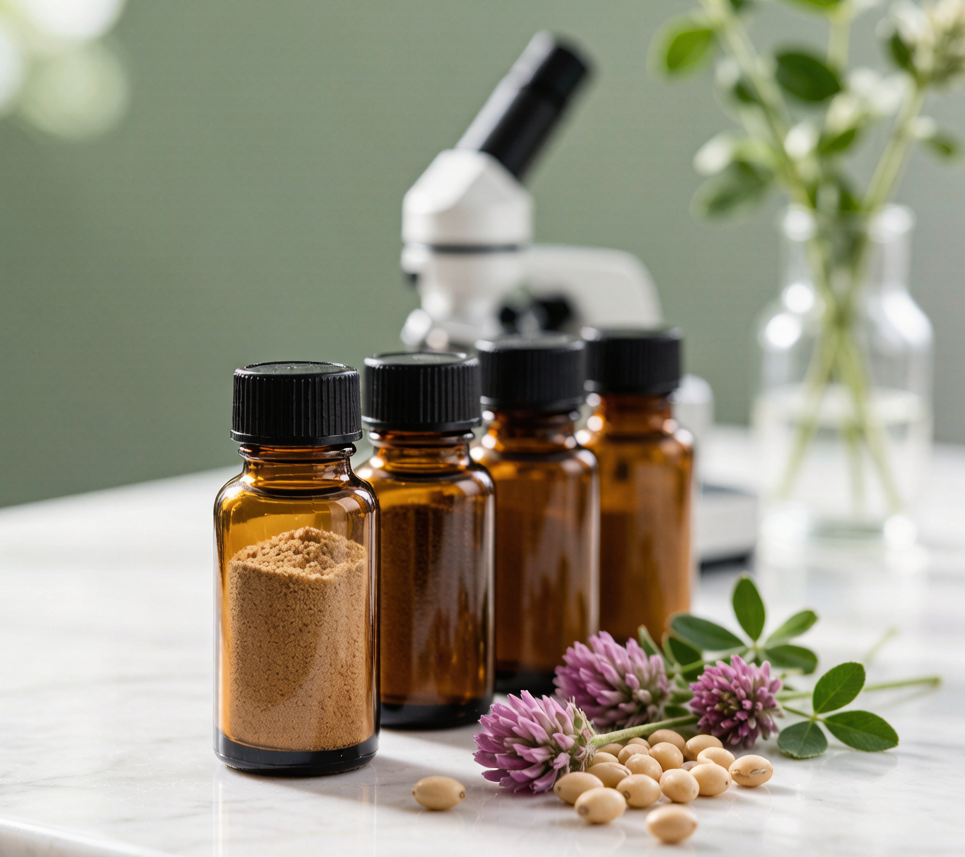
Phytoestrogens are plant secondary metabolites that can bind to mammalian estrogen receptors. They are not hormones — they are phytochemicals that formulators evaluate for potential interaction with estrogen receptor signaling pathways.
| Class | Representative Compounds | Common Sources |
|---|---|---|
| Isoflavones | Daidzein, genistein, glycitein, formononetin, biochanin A | Soybean, red clover, kudzu |
| Lignans | SDG, enterolactone | Flaxseed, sesame |
| Coumestans | Coumestrol | Alfalfa, clover sprouts |
For botanical supplement formulation, isoflavones dominate commercially: most researched, with established HPLC methods, defined marker compounds, and supply chains mature enough for multi-ton orders. Lignans from flaxseed are secondary — typically added for complementary phytochemical profiles rather than as primary actives. Coumestans are rarely used as standalone ingredients in commercial herbal extracts for supplements.
Key Botanical Sources
Not all botanical extracts are created equal. The same plant name can conceal huge variation in active content, extraction solvent, and standardization approach.
| Source | Main Actives | Typical Specifications | Role |
|---|---|---|---|
| Soy | Isoflavones (genistin, daidzin, glycitin + aglycones) | 40% total isoflavones (HPLC); higher grades available | Primary active in most women's wellness SKUs |
| Red Clover | Isoflavones (formononetin, biochanin A, daidzein,genistein) | 8% or 20% total isoflavones (HPLC) | Complementary source; broader aglycone profile |
| Kudzu | Puerarin, daidzin, daidzein | Puerarin 40–98% (HPLC) | Niche; puerarin-specific formulations |
| Flax | Lignans (SDG) | SDG 20–40% (HPLC) | Secondary ingredient in blends |
Soy isoflavones are the category standard. A typical standardized botanical extract spec is 40% total isoflavones by HPLC (60–80% grades exist for specialized applications). Soybean Extract is the most widely sourced standardized extract here.
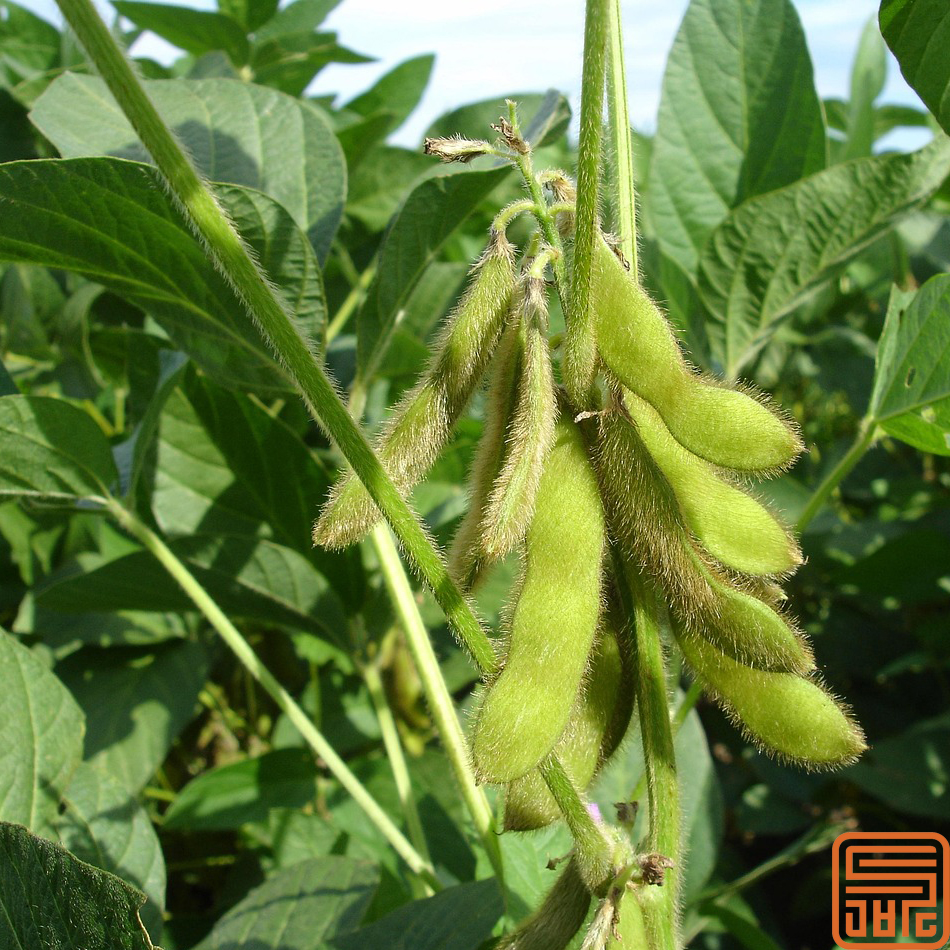
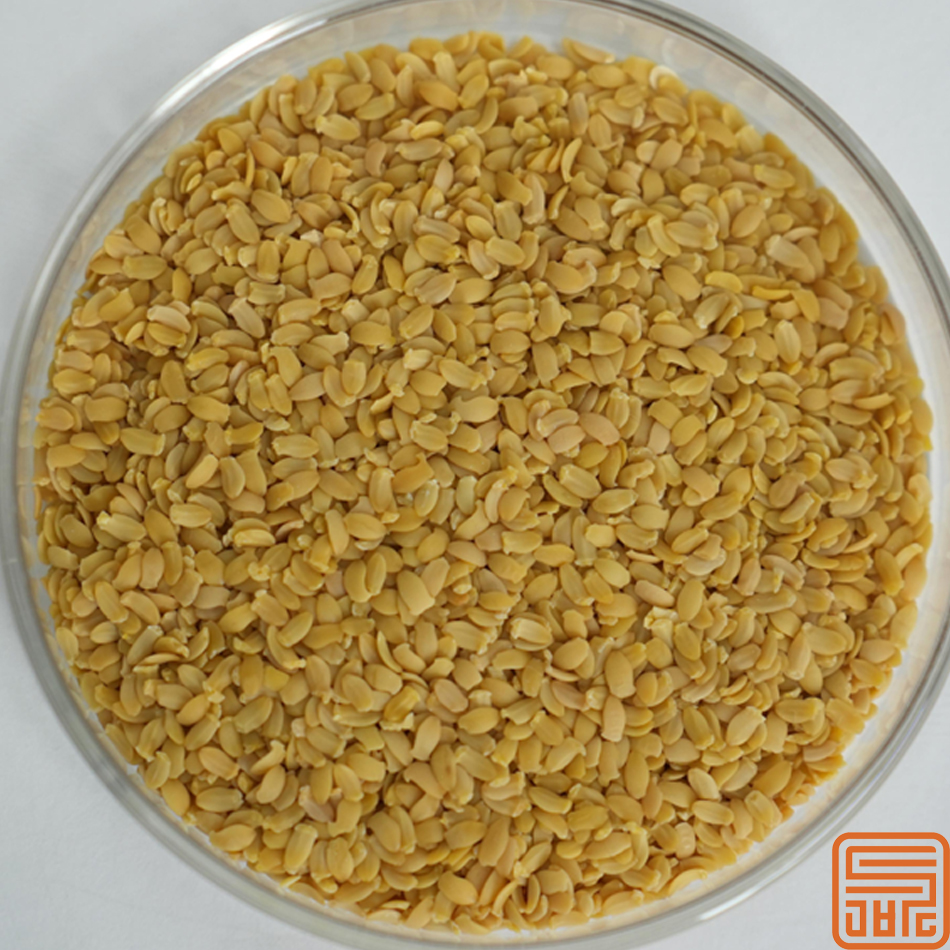
Buyers often overlook composition: a 40% extract is a mixture — genistin/genistein (largest fraction), daidzin/daidzein (second; daidzein is the equol precursor via gut metabolism), and glycitin/glycitein (minor). HPLC quantifies each individually; UV gives a total that can overestimate by 10–30%. For standardized extracts, HPLC is the only acceptable assay.
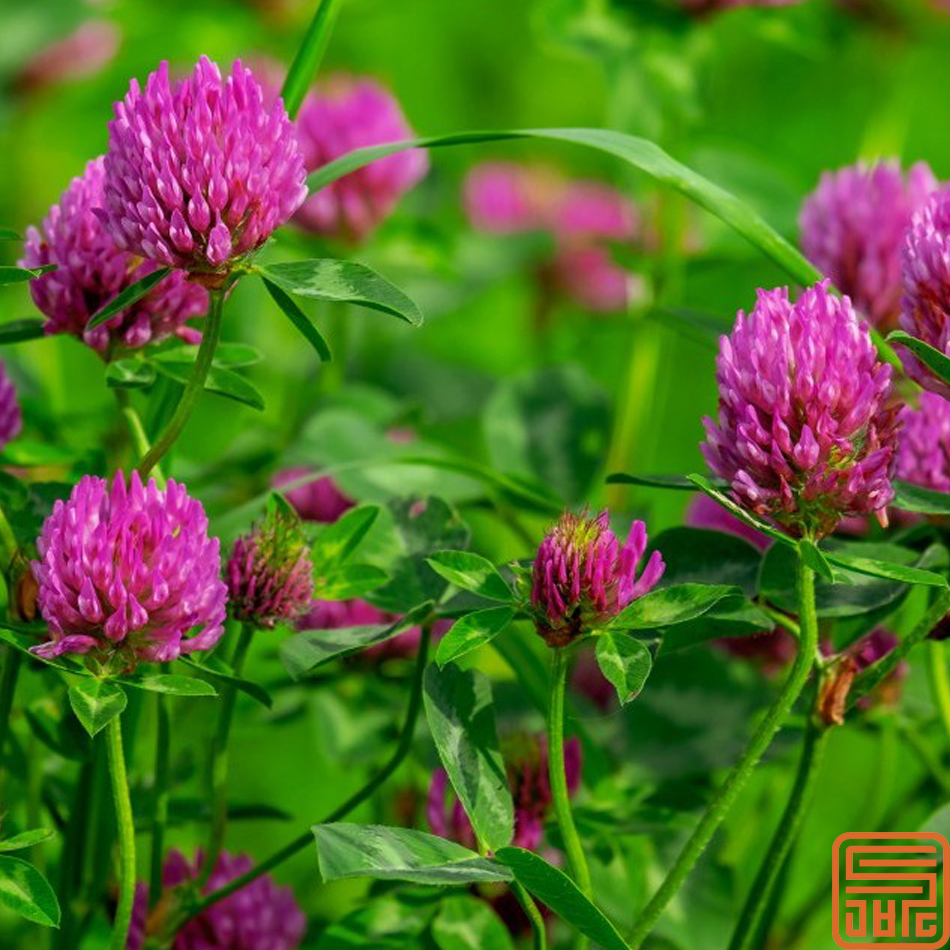
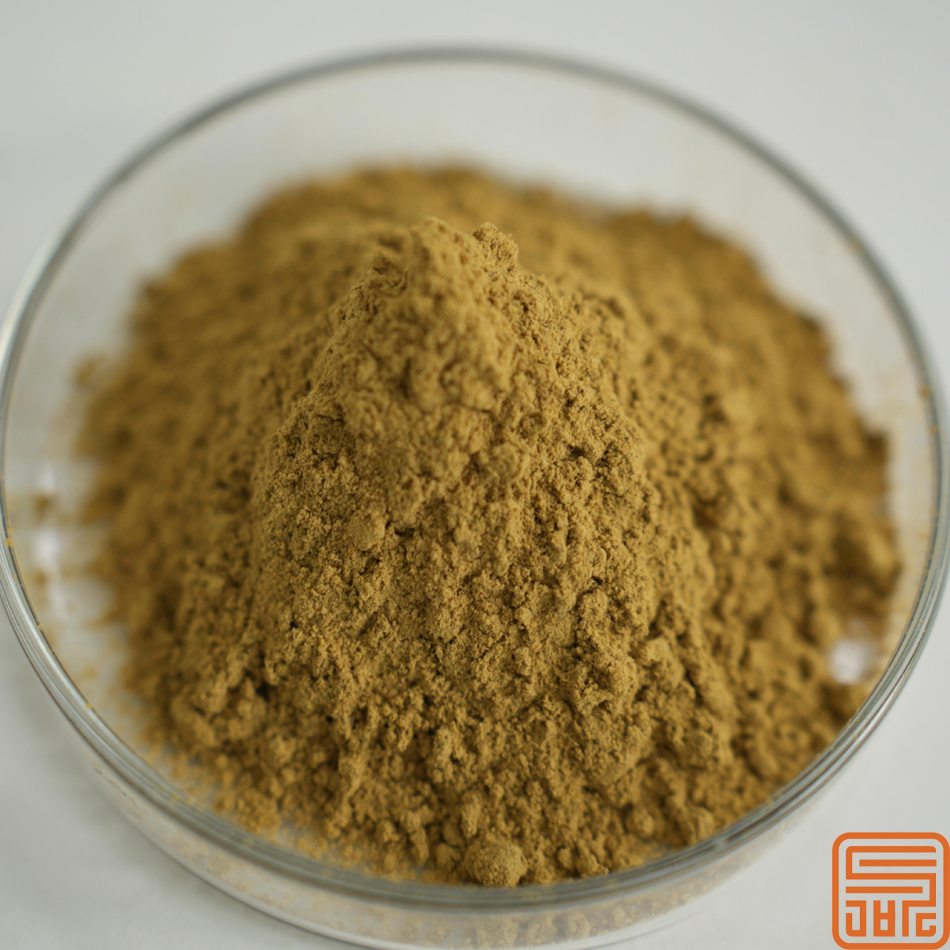
Red Clover Extract contains the same isoflavone classes in a different ratio — formononetin and biochanin A (methylated precursors) dominate, converting to genistein and daidzein in vivo. Its advantages: broader aglycone spectrum and different sourcing geography. The trade-off: 8% or 20% grades require higher milligram doses per serving than soy — calculate on "total active isoflavone" basis, not extract weight.
Kudzu's puerarin is chemically distinct. Puerariae Extract is used mainly in cardiovascular and neurological formulations. Flaxseed Extract works via enterolactone/enterodiol gut conversion and fits as a secondary ingredient in broad women's health blends.
Ingredient Synergy
Formulators rarely use single-ingredient phytoestrogen products. The question is which combinations give complementary profiles without compromising stability or analytical clarity.
| Rationale | Example Pairing | Consideration |
|---|---|---|
| Receptor coverage | Soy + red clover isoflavones | Different ratios; combined HPLC COA required |
| Mechanism diversification | Isoflavones + flax lignans | Different pathways; label complexity increases |
| Bioavailability support | Isoflavones + phospholipid complex | Higher unit cost; premium positioning |
| Micronutrient co-delivery | Isoflavones + vitamin D3 + calcium | Bone health positioning; stability testing |
| Antioxidant co-delivery | Isoflavones + Green Tea Extract | Multi-mechanism; adds botanical diversity |
Each additional botanical multiplies the analytical burden: separate HPLC methods, individual marker tracking, cross-contamination screening, and separate heavy metal/pesticide specs per source. The formulation benefit must justify the overhead. Also evaluate mineral interactions (calcium can form insoluble complexes with isoflavones in aqueous matrices), oxidative stability (omega-3 co-formulation requires oxygen barrier packaging), and pH sensitivity (aglycones are less stable in highly acidic matrices such as effervescent tablets).
Why Standardization Matters More Than Extract Ratio
This is the section most botanical ingredient buyers get wrong.
| Feature | 20:1 Extract Ratio | 40% Standardized Extract |
|---|---|---|
| What it means | 20 kg herb → 1 kg extract | Minimum 40% marker compounds by HPLC |
| Batch consistency | Variable with crop/season | High — held within validated range |
| Analytical requirement | TLC identity + physicals | HPLC quantification of individual compounds |
| Regulatory defensibility | Weak — no compound-specific claim | Strong — claims can reference specific actives |
| Price per mg of active | Higher (due to variability) | Predictable |
An extract ratio tells you how much raw material was used — nothing about what is in the powder. A 20:1 soy extract might contain 5% isoflavones or 25%. A 40% standardized extract guarantees 40% by HPLC, batch after batch. I've had buyers tell me their "20:1 extract" tested at 8% active. The supplier wasn't wrong — the spec sheet never promised an active percentage. It promised a ratio. That's not fraud. It's just useless.
A competent COA for a standardized botanical extract must include: HPLC assay with individual markers (not just a total), heavy metals with specific ppm values (not "conforms"), pesticide screen with method stated, residual solvents (if solvent extraction used), microbiology, and reference standard source/lot numbers. Red flag: "40% isoflavones by UV" without HPLC breakdown is not sufficient for a standardized product.
Batch consistency is a manufacturing requirement, not a preference. A 10% variation between batches means label compliance risk and consumer inconsistency. Standardized extracts absorb agricultural variability at the raw material level — the supplier blends, controls extraction parameters, and releases by analysis. Documented chain-of-custody (farm → processing → lab → warehouse) further reduces adulteration and substitution risk.
Safety, Evidence, and Regulatory Considerations
Scientific evidence does not automatically translate to permissible commercial claims. Frameworks distinguish research findings from what brands may state on labels.
- US: FDA permits structure-function claims (e.g., "supports hormonal balance") with the required disclaimer. Disease claims ("treats menopause") require drug approval — not permitted for supplements.
- EU: Regulation 1924/2006 governs nutrition and health claims; no phytoestrogen health claims currently have authorized status. Brands must use general wellness positioning.
- Canada: NNHPD maintains a soy isoflavone monograph permitting certain claims if dosage, duration, and form requirements are met; a Product License Application is required before marketing.
Finished brands bear independent responsibility for label substantiation, target-market compliance, adverse event reporting, and GMP. A botanical ingredient supplier provides the raw material, COA, and regulatory documentation — the brand owns what the finished product claims.
Market Positioning Opportunities
| Positioning | Target | Ingredient Strategy | Price Point |
|---|---|---|---|
| Women's Daily Wellness | 30–50, preventive | Broad blend, 2–4 botanicals, moderate doses | $15–25/month |
| Healthy Aging / 40+ | 40–55, symptom-aware | Standardized extracts, HPLC-verified actives | $25–40/month |
| Plant-Based / Clean Label | All ages, ingredient-conscious | Botanical-only; non-GMO; organic where available | $30–50/month |
| Premium Nutraceutical | 45+, quality-first | Clinically researched specs; third-party tested | $40–60/month |
Healthy Aging is the fastest-growing segment in Western markets — these consumers read labels and switch brands without perceived results, so HPLC data and transparent COA access are competitive advantages. Premium brands often commission custom specifications (specific isoflavone ratios, novel delivery forms) with multi-market regulatory documentation.
About JustenBio
Justen Biotechnology specializes in research, development, and production of standardized botanical extracts for the supplement and nutraceutical industries. Based in Mianyang, Sichuan, we supply botanical extracts including soy isoflavones, red clover, and custom phytoestrogen ingredients to brands worldwide. Every standardized extract ships with HPLC-based COA, individual marker quantification, heavy metal/pesticide/solvent screening, and GMP-certified manufacturing. Custom specifications available for premium and clinical-grade applications.
Request a Sample COA — Contact our ingredient team to discuss your phytoestrogen formulation requirements, request specification sheets, or arrange a virtual facility audit